
Design-Build vs. Traditional General Contractor: How to Choose the Right Evanston Home Remodeling Company
Most remodels that go wrong don’t fail at the jobsite. They fail months earlier, when a homeowner signs off on beautiful drawings nobody priced, or hires a builder who never met the designer. By the time the walls are open, the real decision has already been made: who is in charge, and who answers for the gaps.
That decision usually comes down to two delivery models. You can hire a designer or architect, then bid the plans out to general contractors. Or you can hire one design-build firm that handles both. We are a design-build firm, so we have an obvious point of view. We’ve tried to lay out both options fairly, because the right Evanston home remodeling company depends on your project, your budget, and how involved you want to be.
How the Traditional Model Works
In the traditional approach, often called design-bid-build, the work happens in sequence. You hire a home designer in Evanston or an architect first. They measure the space, develop concepts, and produce construction drawings. Then those drawings go out to several general contractors for bids. You pick one, and the contractor hires subcontractors, pulls permits, and builds what is on paper.
This model has real strengths. You get competing bids on an identical scope, which creates price pressure. Your designer works for you, not the builder, so that they can advocate for you during construction. And if you already have a favorite architect, or a contractor you have trusted for years, you can keep both.
The weaknesses show up in the handoffs. A designer may draw a vaulted ceiling or a wall of glass without knowing what it costs to build in a 1920s Evanston foursquare. Bids come back over budget, and the project returns to the drawing board, sometimes more than once. Once construction starts, a field problem can turn into a dispute over whether the drawings or the workmanship is to blame, with the homeowner in the middle.
How Design-Build Works
Design-build puts design and construction under one contract and one team. The same company that designs your kitchen also estimates, schedules, and builds it. Pricing happens while the design is still taking shape, so you can test ideas against the budget before you fall in love with them.
At Coco Design & Build, that process moves through a consultation, design planning, material selection, and renovation planning before construction begins, then ends with a final walkthrough. Because the people drawing the plans also run the job, they know how the plumbing will be rerouted and which supplier has the tile in stock. They answer questions in a meeting rather than through a chain of emails between two firms.
The tradeoff is that you are not collecting competing bids on a finished set of drawings. You are choosing a team based on its portfolio, references, transparency, and how well it listens. That puts more weight on vetting the firm up front, which we’ll come back to.
Is Design-Build More Expensive?
Not inherently, though the honest answer is that the costs show up in different places.
With the traditional route, you pay the designer’s fee and then the contractor’s price. Competitive bidding can push the construction number down. But the redesign cycles that follow over-budget bids cost time and design fees, and change orders during construction are where traditional projects quietly grow. When the drawings miss a condition behind the plaster, someone has to pay to fix it.
In design-build, design fees are typically part of the overall contract or credited toward it, and budget conversations start on day one. You won’t see three bids side by side, but you are far less likely to spend weeks designing something you can’t afford. For most homeowners, the more useful question is which model gives you the most accurate number earliest. Design-build usually wins that one.
Does Design-Build Make a Remodel Faster?
Usually, for one simple reason: steps that happen one after another in the traditional model can overlap. While the design is being finalized, the design-build team can already be checking cabinet lead times, booking trades, and preparing permit documents. There is no separate bid period, and there is no learning curve when a new contractor picks up someone else’s drawings.
Speed is not guaranteed, though. Evanston permit review, special-order materials, and decisions you make (or put off) during selections affect the calendar under either model. A design-build firm with a full schedule may also have a longer wait before your project starts.
Who Is Responsible When Something Goes Wrong?
This is where the two models differ most.
In design-build, one company holds the contract for both the design and the construction. If a detail doesn’t work in the field, that firm must solve it, whether the cause was the drawings or the crew. You have a single point of contact and a single party accountable.
In the traditional model, responsibility is split. The designer answers for the drawings and the contractor answers for the build. Most of the time, that works fine. When it doesn’t, sorting out who owes what can take time, and the delay lands on your project.
Either way, put the details in writing. Your contract should spell out the scope, the payment schedule, how change orders are priced and approved, and what the warranty covers. In Evanston, contractors must register with the city and carry required insurance before performing work, so ask for proof of both.
Which Model Fits Your Project?
The traditional route makes the most sense if you already have an architect you love, if your project is large and highly customized, or if you want competitive bids on a fully defined scope and have the time to manage two relationships.
Design-build tends to fit better when you want one team to own the result, when the budget is firm and needs to shape the design early, or when the home is older and likely to hide surprises. That last point matters around here. Many homes on the North Shore and in Chicago have been altered by decades of previous owners, and the team that discovers a problem should be the same team that redesigns around it.
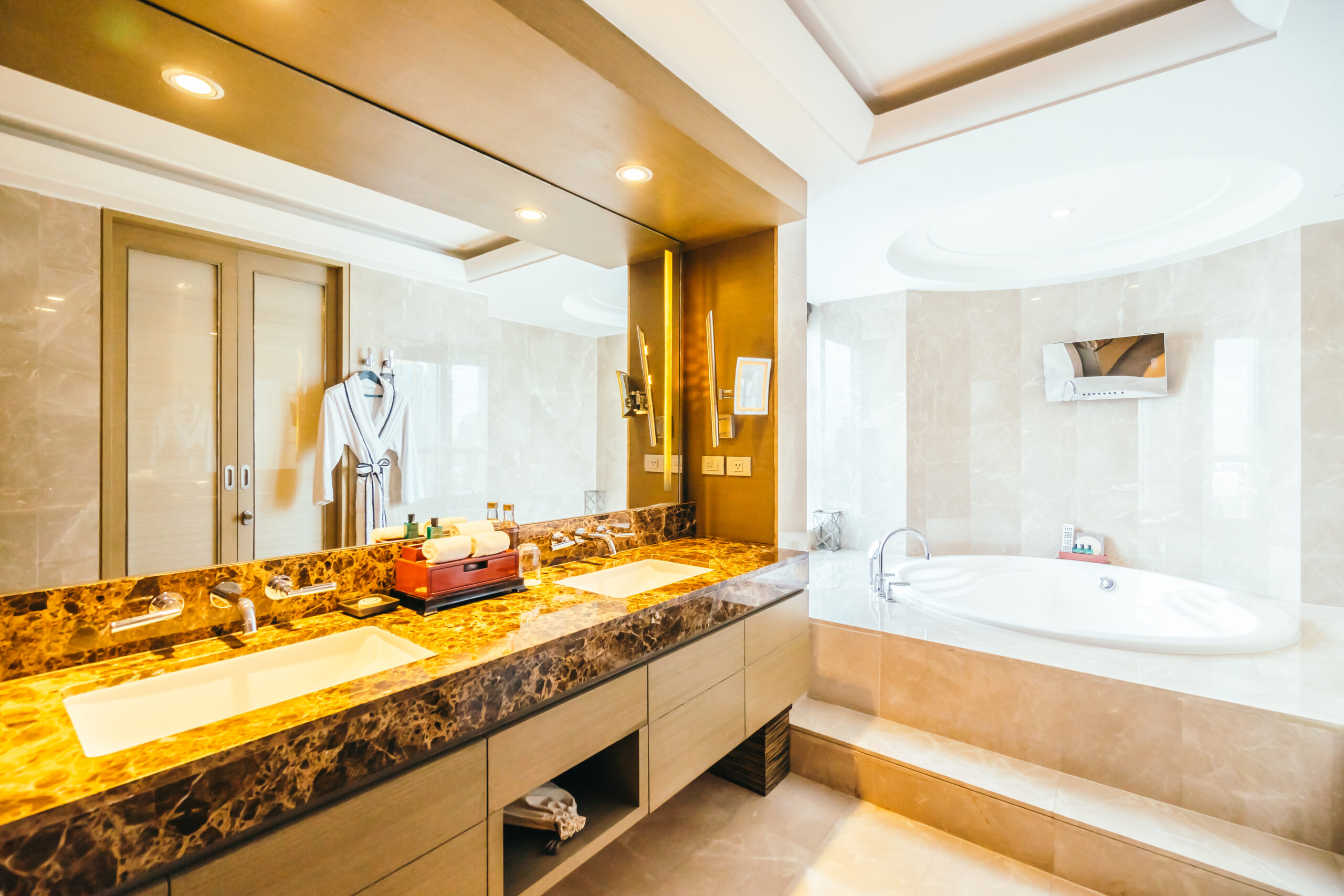
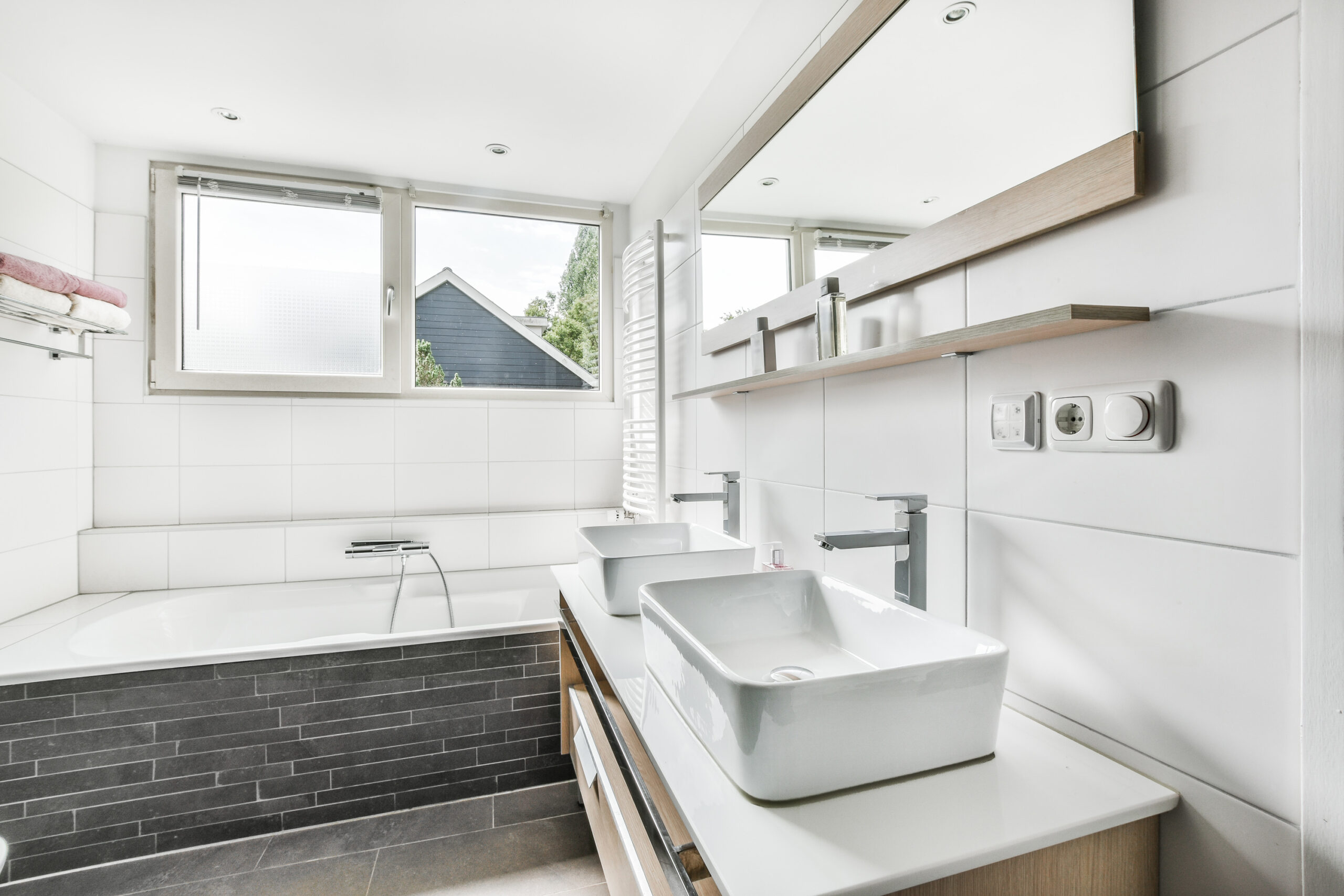
The project type matters too. A focused kitchen remodel in Evanston involves dozens of decisions that ripple into one another, from cabinet depth to the electrical layout, which is exactly where integrated design and construction pays off. The same is true for bathroom remodeling, where waterproofing, plumbing locations, and tile layout must work together in a small footprint. If you are rethinking how a room is used rather than replacing fixtures, our room design services start with how you live in the space and build the plan from there.
How to Vet Remodeling Contractors in Evanston
Whichever model you choose, the firm matters more than the label. Some remodeling contractors in Evanston call themselves design-build when they mostly build, while some traditional contractors coordinate well with designers.
Look for a portfolio that includes homes like yours, with photos of finished work rather than renderings alone. Ask how long the company has been in business and who will be on site each day. Ask to see a sample contract and how they handle change orders. And call references whose projects finished at least a year ago, since that’s when you learn how a firm handles warranty calls.
We put together a full list of questions to ask before hiring a home remodeling contractor, covering licensing, timelines, payments, permits, and cleanup. It works for interviewing design-build firms and general contractors alike, and it is the same standard we hold ourselves to.
Expect the same diligence from any home design company in IL, whether you live in Evanston, Skokie, or the city. Good home remodeling contractors in Illinois will welcome those questions. Those who get defensive have already answered them. If you are comparing home design options in Chicago and the North Shore, it’s worth meeting at least one firm from each model before you decide.
Frequently Asked Questions
What is the difference between design-build and a general contractor?
A general contractor builds from plans someone else created, usually an architect or designer you hire separately. A design-build firm handles both the design and the construction under a single contract, with one team responsible from the first sketch to the final walkthrough.
Is design-build more expensive than hiring a designer and contractor separately?
Not necessarily. The traditional route offers competitive bidding, which can lower the construction price. Still, it also involves separate design fees and carries a higher risk of redesign and change orders when drawings and budgets don’t align. Design-build prices the work as the design develops, so the total is usually clearer earlier. Which costs less depends on the project and the firms involved.
Does design-build make a remodel faster?
Often, yes. Design-build removes the separate bidding phase and lets design, ordering, and permit preparation overlap. Permit review times, material lead times, and how quickly you make selections still affect the schedule, so no model can promise a fixed timeline.
Who is responsible if something goes wrong during construction?
In design-build, the firm is responsible for both the design and the construction, so you have one party to call. In the traditional model, the designer is responsible for the drawings and the contractor is responsible for the work, which can lead to disputes over the cause of a problem. Under either model, your contract and warranty terms define the details, so read them before you sign.
Not Sure Which Route Fits?
There’s no single right answer, but there is a right answer for your house. If you’d like to see how design-build would work for your remodel, Coco Design & Build brings more than 25 years of experience to homes in Evanston and the North Shore, and we’re happy to walk you through what your project would involve.