

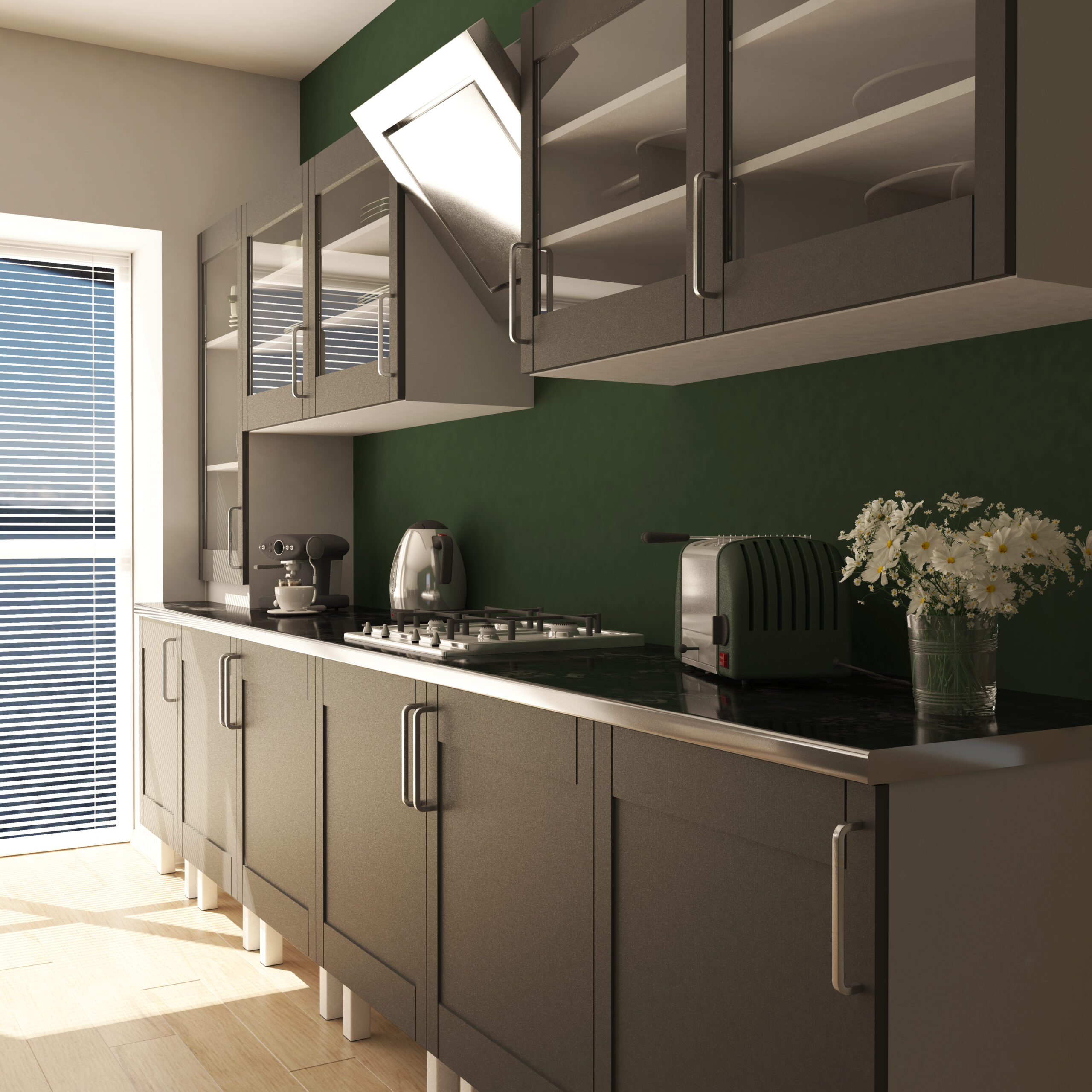
Best Cabinet Colors for Small Kitchens: Ideas That Make Every Inch Feel Bigger
Looking for the best cabinet colors for small kitchens to make it feel more spacious and inviting? Look no further! Designing a beautiful kitchen in a smaller footprint starts with smart planning, and that’s where space-saving small kitchen cabinet ideas and remodeling come in.
The all-white kitchen has been the default answer for small spaces for so long that it stopped being a choice and became a reflex. 2026 is the first year in a while where designers are pushing back on all-white as the default, and for good reason. They’re going for warmer neutrals, muted greens, and two-toned combinations that do the same light-reflecting job as white without looking like every other small kitchen on the block.
Quick-Start Checklist for Choosing Cabinet Colors
- Evaluate your lighting: Note how much natural and artificial light your kitchen gets throughout the day.
- Gather inspiration: Save photos of small kitchens and cabinet colors you like for reference.
- Assess your layout: Identify if your kitchen is galley, L-shaped, or one-wall, as this can impact how color choices feel in your space.
Every small kitchen client asks the same question eventually: should I just go white to be safe? Usually they’re asking because they probably saw it on a Pinterest board or a home inspector told them white makes rooms look bigger. While opting for white is a safe bet for maximizing light, it often misses the opportunity to create a truly bespoke, character-filled environment. In reality, soft grays, muted blues, gentle sage greens, and warm taupes are all beautiful alternatives that can help your kitchen feel both unique and spacious. These colors reflect light well, add subtle personality, and are still considered safe options that appeal to many tastes.
Top Cabinet Color Trends for Small Kitchen Spaces
Light and Neutral Palettes
White cabinets still work; what’s changed is which white. Warm whites like Benjamin Moore White Dove (OC-17) soften that effect. These shades maximize light reflection, trick the eye to expand tight boundaries, and bring cozy, inviting warmth.
Greige and taupe are great neutral choices that add warmth without the starkness of pure white. A popular option for small kitchens is Sherwin-Williams Agreeable Gray (SW 7029), which effectively reflects natural light and pairs nicely with wood floors and stainless appliances. To coordinate cabinet colors with your existing floors or countertops, match cool-toned cabinets with cool floors and warm cabinets with warm wood or earthy stone. For a cohesive look, consider painting your walls the same color as your cabinets to create a seamless flow, or choose cabinet colors that echo subtle hues in your flooring or counters.
Two-Tone Cabinet Combinations
Two-tone cabinets have gone from a niche designer move to one of the most searched small-kitchen trends of the year. This combination uses two different shades to add character without overwhelming the space. By keeping the lighter color on top, you can ground the room with a deeper shade below while keeping the eye focused on the open space above.
If you are exploring broader design shifts, consider reading about the modern Evanston kitchen remodeling trends for inspiration on current styles.
How Cabinet Color Interacts With Layout, Lighting, and Finish
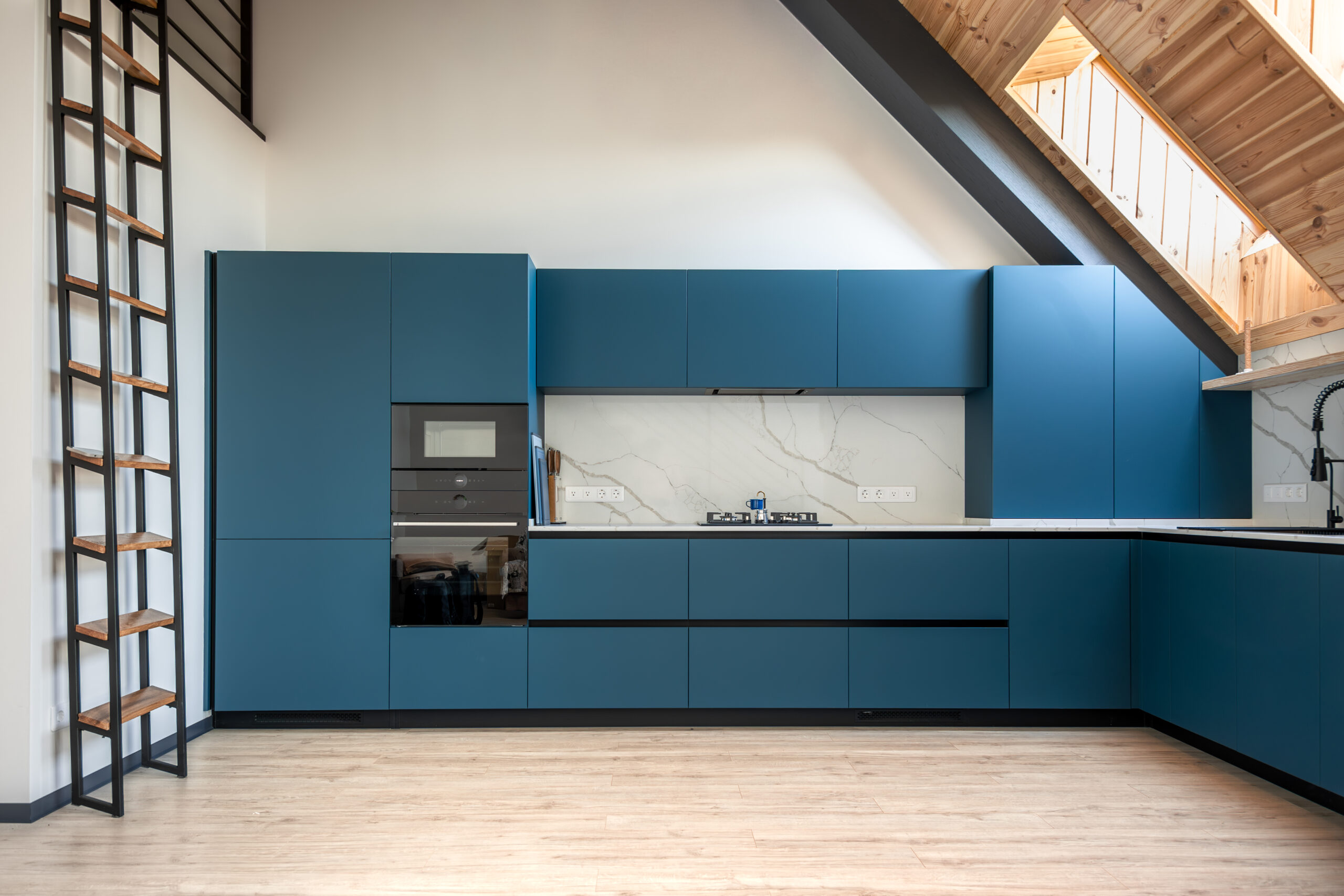
Color interacts with its environment, so a deep navy may look sophisticated in one kitchen but appear misplaced in another due to factors like layout, lighting, and finish. In a galley kitchen, where two cabinet walls face each other, light and reflective colors are recommended to avoid overwhelming the space. In contrast, layouts like L-shaped or one-wall kitchens provide more breathing room, allowing for bolder color choices without constricting the space.
The finish of a color also significantly influences its appearance. Matte finishes absorb light, muting colors, while semi-gloss and gloss finishes reflect light, enhancing richness and saturation. This year, there’s a growing trend toward using sage and muted olive as alternatives to traditional neutrals, with terracotta and warm rust emerging on lower cabinets paired with white or cream uppers.
Light vs. Dark Cabinets for a Small Kitchen
There’s no single right answer here, but there is a clear pattern in what tends to work and what backfires in a small kitchen. Light cabinets are still the higher probability choice if your main goal is making the room feel larger. White, warm off-white, and pale tones reflect light rather than absorbing it. The only downside is maintenance. Light cabinets show fingerprints, grime, and general wear faster. If you cook a lot and don’t want to constantly wipe down cabinets, that’s worth factoring in before you commit.
Dark cabinets absorb light instead of bouncing it, which is exactly why they can make a tight space feel heavier and smaller. But dark doesn’t automatically mean cramped. Gloss and semi-gloss finishes bounce more light than matte, and pairing dark lower cabinets with light uppers and a strong lighting plan can make a deep color work in a small space. The kitchens that get dark cabinets wrong usually go all dark everywhere with no lighting plan to compensate.
Frequently Asked Questions
Do light cabinet colors really make a small kitchen look bigger?
Yes, light and cool-toned cabinets reflect light instead of absorbing it. This optical expansion blurs the perceived boundaries of the room, allowing a compact footprint to feel significantly more expansive and open.
Are dark cabinets a bad idea for small kitchens?
Not always, but they require more planning. Dark cabinets absorb light rather than reflecting it, so in a kitchen without much natural light or strong overhead lighting, an all-dark theme can feel cramped. The safer approach is using dark cabinets selectively, often on the lower run only, paired with lighter uppers and enough lighting to compensate.
What’s the best cabinet color for resale value in a small kitchen?
Warm white and soft neutrals are still the safest bet if resale is a priority. They photograph well and don’t turn off buyers who have strong color opinions of their own. Stark cool white has lost some ground here in 2026 to warmer, softer neutrals, so if you’re choosing between the two, warm wins. Bold or trendy cabinet colors can make a space stand out and reflect personal style, but they may limit broad buyer appeal if you decide to sell later. Unique colors might require repainting before putting your home on the market to attract the widest range of buyers.
Should upper and lower cabinets be different colors in a small kitchen?
In a small kitchen, usually yes. The best approach is a two-tone design with lighter colors on top and darker or bolder shades on the bottom. This trick makes the ceiling feel higher, the room look larger, and adds depth.
Final Thoughts: Bring Your Small Kitchen to Life
Cabinet colors cost the same whether you get it right or wrong, which is exactly why you should slow down before you commit. Whether you land on a warm neutral, a two-tone split, or a bolder color, the goal is to move beyond the safe choice and create a space that is curated to your style and aesthetic. Ultimately, the best cabinet color for your small kitchen is one that balances light reflection with your personal style. By choosing receding colors and smart neutral palettes, you can maximize every inch of your space.
If you’re planning a small kitchen refresh and want a second opinion on color before you order samples, reach out to our team, and we’ll help you land on what actually works for your space.